

The human body possesses an extraordinary ability to heal itself. Every day, billions of cells repair damaged tissues, strengthen muscles, remodel bone, and restore function without us giving the process much thought. A small cut gradually closes. A strained muscle rebuilds. Even broken bones have the remarkable ability to knit themselves back together over time. Yet despite these incredible natural processes, many people become discouraged when pain doesn't disappear as quickly as they expect.
One of the most common misconceptions surrounding injury recovery is the belief that healing should be immediate. Modern society has conditioned us to expect instant solutions. We can order groceries with a tap, stream movies instantly, and communicate across the globe in seconds. Unfortunately, biological tissues do not operate on the same timeline. Healing follows a carefully orchestrated sequence that cannot be rushed, but it can certainly be supported.
Understanding how recovery actually works helps explain why physiotherapy plays such an important role. Rather than replacing the body's natural healing mechanisms, physiotherapy creates the ideal conditions for those mechanisms to function effectively. It guides recovery, restores movement, and ensures that healing tissues become strong enough to handle the demands of everyday life again.
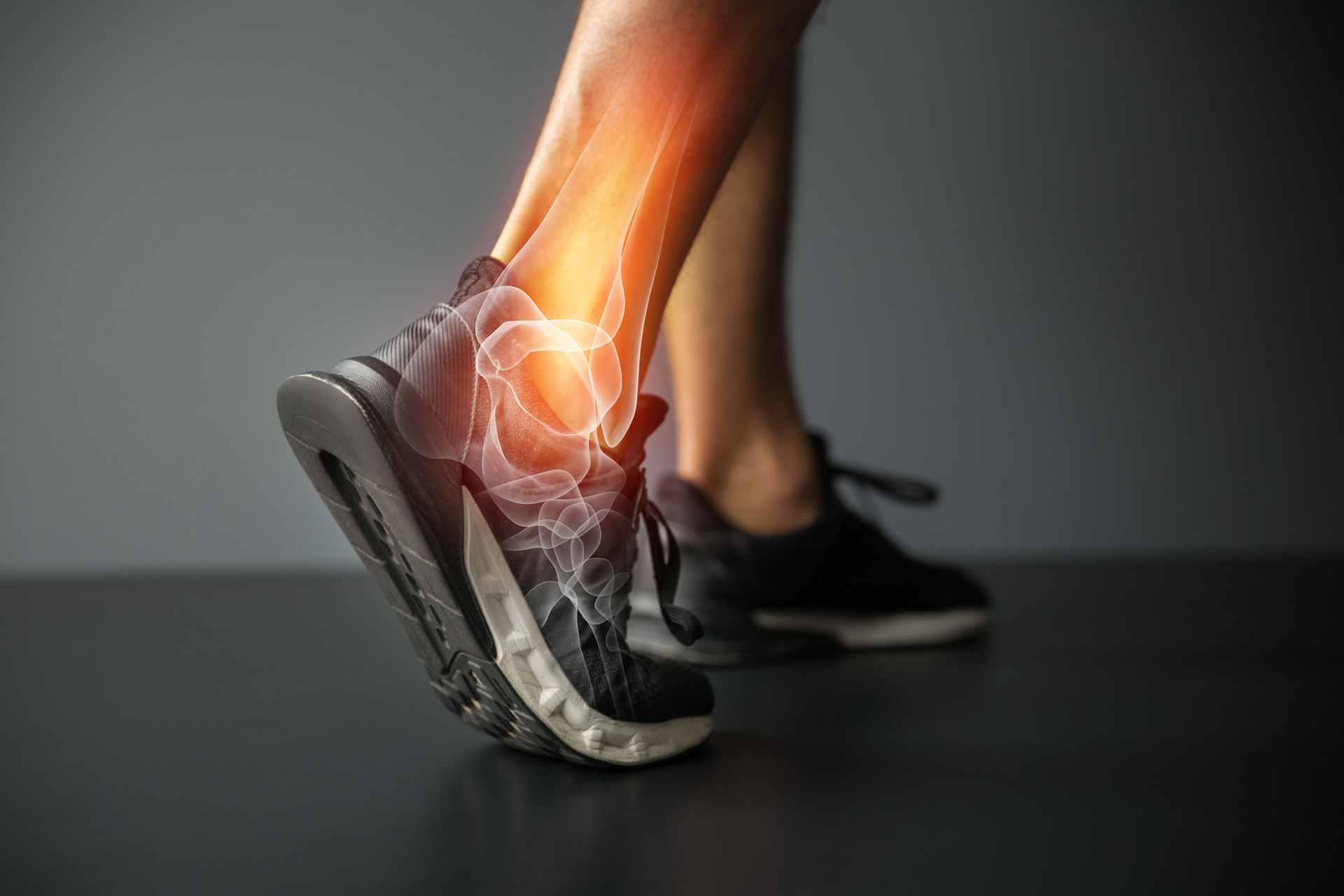
When an injury occurs, whether it's an ankle sprain, shoulder strain, ligament injury, or lower back problem, the body immediately begins an inflammatory response. Although inflammation often receives negative attention, it is an essential part of healing. Increased blood flow delivers oxygen, nutrients, and specialized immune cells that remove damaged tissue and begin rebuilding the injured area. Mild swelling and discomfort are therefore not signs that healing has failed—they are often evidence that healing has begun.
As recovery progresses, the body enters a repair phase. New collagen fibers develop, damaged tissues gradually strengthen, and movement slowly becomes more comfortable. However, newly formed tissue is initially disorganized. Without appropriate movement and gradual loading, collagen fibers may heal in inefficient patterns, leading to stiffness, weakness, or recurring pain. This is where physiotherapy becomes invaluable.
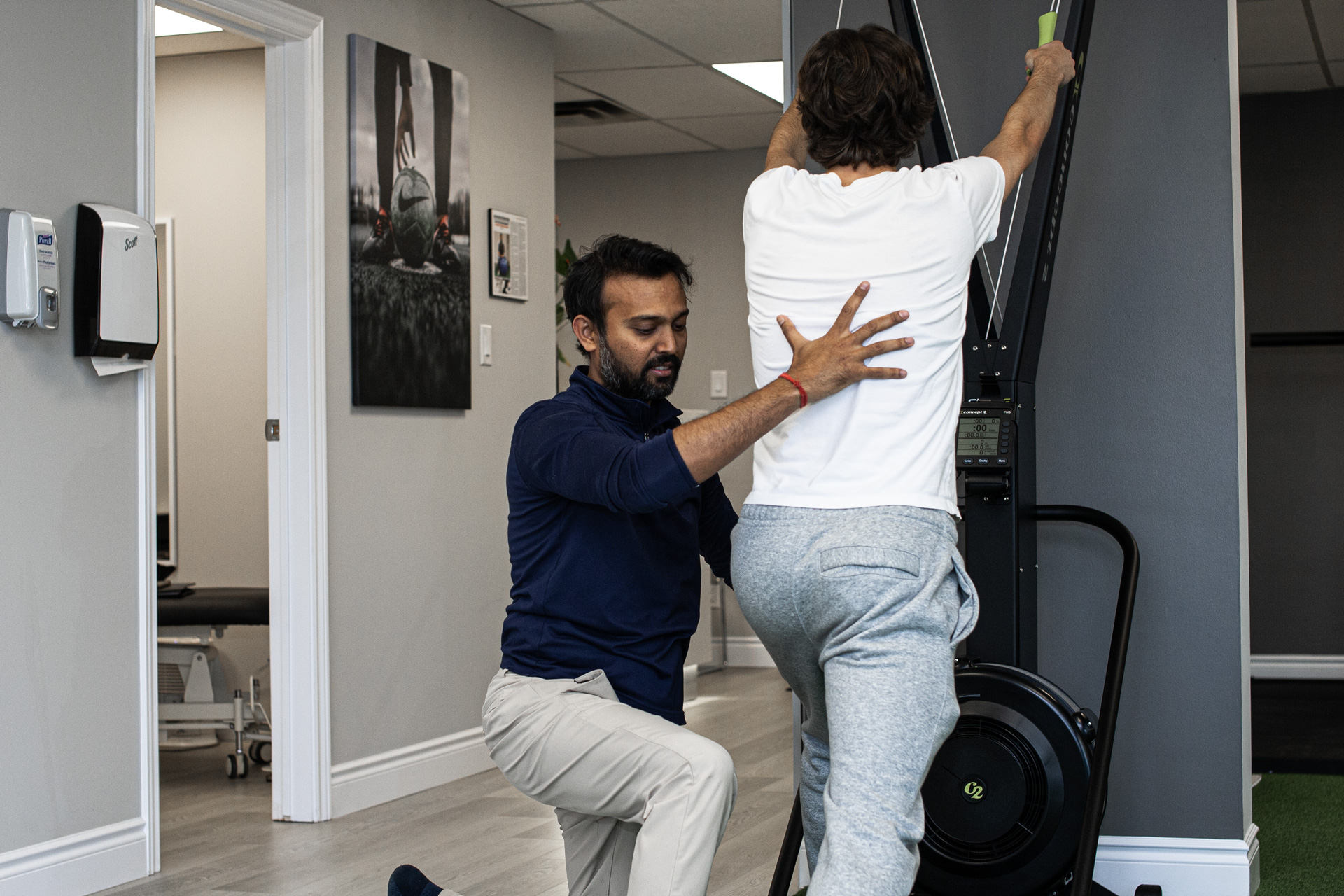
Rather than encouraging complete rest, modern rehabilitation carefully introduces movement at the right time and in the right amount. Appropriate loading stimulates tissues to become stronger and more resilient. Tendons adapt by increasing their ability to tolerate force. Muscles regain strength and coordination. Joints recover mobility. The nervous system relearns efficient movement patterns that may have been disrupted after injury.
Pain itself is also more complex than many people realize. Contrary to popular belief, pain does not always reflect the amount of tissue damage present. The nervous system continuously interprets information from muscles, joints, ligaments, and the surrounding environment before producing the experience of pain. Factors such as stress, poor sleep, previous injuries, anxiety, and prolonged inactivity can all increase pain sensitivity, even after tissues have substantially healed.
This understanding has transformed modern physiotherapy. Rather than viewing pain as something that must be completely eliminated before movement resumes, rehabilitation focuses on gradually improving function while respecting the body's healing process. Many patients discover that they can safely begin moving long before every symptom has disappeared.
Exercise is one of the most powerful tools available during recovery. Carefully prescribed strengthening exercises improve circulation, stimulate tissue remodeling, maintain joint health, and restore confidence in movement. Flexibility exercises help maintain mobility, while balance and coordination training reduce the likelihood of future injuries. Every exercise serves a specific purpose within the broader rehabilitation process.
Hands-on treatment may also play an important supporting role. Manual therapy can improve joint mobility, reduce muscle tension, and help patients move more comfortably during the early stages of recovery. However, its greatest value often lies in enabling patients to participate more effectively in active rehabilitation. Lasting improvements almost always come from combining manual therapy with exercise, education, and progressive movement retraining.
Recovery is influenced by many factors beyond treatment sessions themselves. Nutrition provides the proteins, vitamins, and minerals necessary for tissue repair. Sleep allows growth hormone production and cellular regeneration to occur. Hydration supports circulation, while stress management helps regulate nervous system activity. Rehabilitation is therefore most successful when viewed as a partnership between therapist and patient, with healthy daily habits reinforcing the work performed during treatment.
Age is another factor that patients frequently worry about. While healing capacity naturally changes over time, age alone does not determine recovery potential. Many older adults successfully regain strength, mobility, and independence through structured rehabilitation. Similarly, younger individuals may experience prolonged recovery if rehabilitation is incomplete or if they return to demanding activities too quickly.
One of the most rewarding aspects of physiotherapy is witnessing how adaptable the human body truly is. Individuals recovering from surgery learn to walk confidently again. Athletes return to competition after serious injuries. Office workers overcome chronic neck and back pain that once limited every aspect of their day. Parents regain the ability to lift and play with their children comfortably. These successes are not simply the result of pain relief—they reflect meaningful improvements in movement, function, and quality of life.
Perhaps the greatest lesson rehabilitation teaches is patience. Healing is rarely linear. Some days feel excellent, while others bring temporary setbacks. Small fluctuations are a normal part of recovery and do not necessarily indicate that progress has stopped. Consistency, rather than perfection, is what ultimately produces lasting results.
At Apti Sports Physio & Beyond, we believe that education is just as important as treatment. When patients understand why they are experiencing pain, how their bodies heal, and what each stage of rehabilitation is designed to accomplish, they become active participants in their own recovery. This confidence often accelerates progress while reducing the fear and uncertainty that injuries frequently create.
Whether you're recovering from surgery, managing a sports injury, dealing with persistent back pain, or simply looking to move more comfortably, remember that your body already possesses an incredible capacity for healing. With evidence-based physiotherapy, individualized guidance, and a commitment to gradual progress, recovery becomes far more than the absence of pain—it becomes an opportunity to build a stronger, healthier, and more resilient body for years to come.